

Plumbing Backflow Testing to Protect Water Quality
Why Clean Water Depends on What You Don’t See
Water quality is something most people assume is consistent every time a faucet is turned on. It flows, looks clear, and feels safe to use for drinking, cooking, and cleaning. What often goes unnoticed is how easily that quality can be compromised if plumbing systems are not properly maintained. One of the lesser known risks comes from backflow, a situation where water moves in the opposite direction and allows contaminants to enter the clean water supply. Routine backflow testing surprise ensures clean and safe water supply for homes and businesses.
Backflow can happen under specific conditions, often when there is a sudden change in pressure within the plumbing system. This shift can draw water from external or internal sources back into the main supply, carrying with it anything that may have been present in those lines. It could be chemicals, debris, or other unwanted substances that should never mix with clean water. Because this process happens out of sight, it is not something that can be easily detected without proper testing.

This is where backflow testing plays a critical role. It focuses on ensuring that protective devices within the plumbing system are functioning correctly. These devices are designed to prevent water from reversing direction, but like any component, they can wear out or fail over time. Regular testing verifies that they are still doing their job, helping maintain a barrier between clean water and potential contaminants. Without this step, there is no clear way to confirm that the system is fully protected.
Another important aspect is how this testing supports both safety and compliance. In many areas, backflow prevention is not just recommended but required, especially for properties that rely on more complex plumbing setups. Ensuring that systems meet these standards helps avoid potential issues while also providing peace of mind. Knowing that water quality is being actively protected adds a level of confidence that goes beyond everyday use.
There is also a broader impact to consider when it comes to water safety. Contamination does not always stay contained within one property. If backflow occurs, it can affect larger sections of the water system, creating concerns that extend beyond a single household. Preventative measures like testing help reduce that risk, contributing to a safer and more reliable supply for everyone connected to the system.
Protecting water quality is not always about what can be seen or tasted. It often depends on systems working correctly behind the scenes. Backflow testing ensures that these systems remain effective, preventing issues before they develop into something more serious. With regular attention, clean water continues to flow as expected, supporting daily life without interruption or concern.














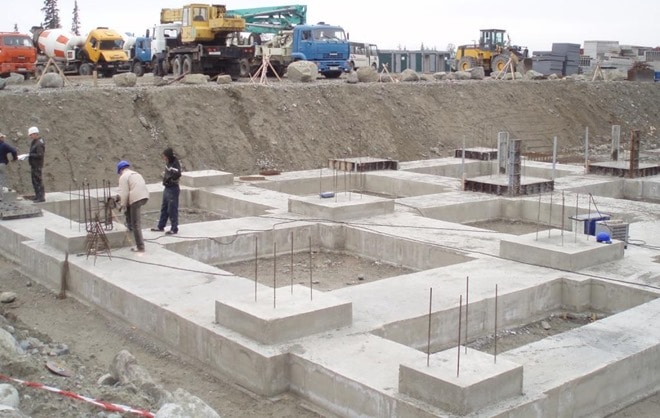


















 Every time we realize that humanity cannot and should not use its enormous power thoughtlessly, nor break into nature on a limited scale and radically remake it without considering the possible negative consequences of its economic activity.
 Damage to the earth’s surface destroys and changes the shape of the earth’s crust, forming large amounts of waste material, altering the local morphology.